

We Buy Motor Control Centers (MCCs)
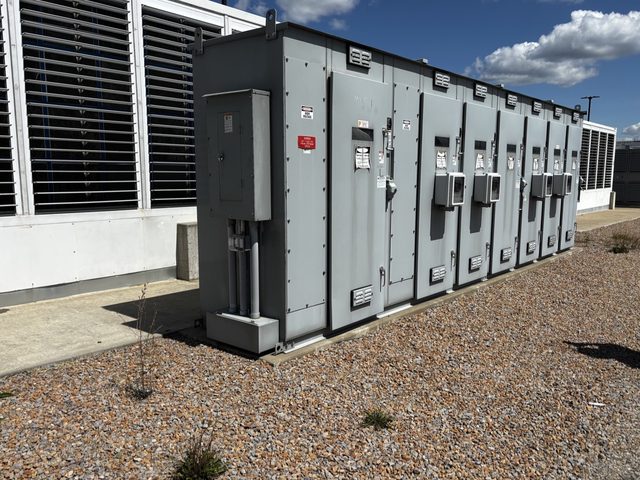
Surplus Buyers & Demo buys motor control centers — complete lineups, individual sections, and loose buckets — from plants, water and wastewater facilities, mills, and commercial buildings nationwide. An MCC looks like one gray asset and prices like four: the structure and bus, the bucket mix, the main device, and how complete it all is. Sellers who get it priced on those terms, as equipment, come out ahead of sellers whose lineup leaves with the demolition or sells as generic scrap. We are based in Houston, Texas and buy lineups still installed and running, de-energized in place, or already removed and warehoused.
What We Buy
- Complete MCC lineups — multi-section lineups with horizontal bus, main section, and buckets in place.
- Single sections and partial lineups — spare sections, and what remains after a partial upgrade.
- Loose buckets — starter buckets, feeder breaker buckets, and drive buckets, sold without a lineup.
- Model lines we buy: Square D Model 5 and Model 6, Allen-Bradley Centerline 2100, Eaton Freedom and Advantage series, Siemens tiastar, GE 7700 and E9000 lines. Buckets are not interchangeable across brands, which is why the model line matters.
- Configurations: 480V lineups in the common horizontal bus ratings, main breaker and main-lug-only mains, across the usual range of NEMA starter sizes.
- Conditions: in service, de-energized, as-removed, and warehoused lineups, plus the drives and soft starters housed in MCC buckets.
What Sets the Price
- Bus material — the biggest single variable. Copper bus versus aluminum bus swings an MCC's value more than any other factor: copper carries stronger resale demand and far more material value. The nameplate sometimes lists it; if not, the horizontal bus visible in an open, de-energized section shows it — copper-colored versus silver-gray.
- Manufacturer and model line. Lines with large installed bases need buckets and parts continuously, and that demand is what a used lineup sells into.
- Bus rating and voltage. Standard ratings and 480V lineups fit the widest market.
- Bucket mix. Starter buckets in popular NEMA sizes are the bread and butter of MCC resale. Feeder buckets add value; buckets housing variable-frequency drives or soft starters can add more, depending on the unit inside. Empty spaces and blank plates add the least — value follows what is actually in the lineup.
- The main device. A lineup with a main breaker section carries that breaker's value with it; a main-lug-only lineup prices on buckets and bus alone.
- Completeness and condition. Doors, wireway covers, and buckets in place make a product; missing pieces price off section by section. Indoor lineups removed intact beat lineups that sat outdoors or were dragged out during demolition.
What to Photograph
- The full lineup end to end, so sections can be counted — a slow video walk works well too.
- The lineup nameplate, usually on an end section — manufacturer, model line, bus rating, voltage, and bus material if listed.
- The main section, breaker or lug, with its label.
- A representative sample of open buckets with their labels — starters, feeders, and any drive buckets.
- The bus, if a section is open and the lineup is safely de-energized.
- Missing buckets, doors, or damage, shown as they are.
How Selling It Works
Step 1 — Send photos of the lineup, the nameplate, and a sample of the buckets. Call or text (346) 733-1238, or use the quote form. Note the section count and whether the lineup is still installed.
Step 2 — Get a written offer on the complete lineup, priced as equipment.
Step 3 — Pickup is arranged around your schedule. Sections are rigged and hauled as units; removal is coordinated with your shutdown when the lineup is still in place.
Step 4 — Payment on pickup, with a documented bill of sale.
Whole Lineup, Loose Buckets, and the Rest of the Room
Sellers ask whether parting a lineup out bucket by bucket pays better. Patient piecemeal selling can gross more — over months of listing, packing, and shipping, with the odd sizes possibly never selling at all. A whole-lineup sale is one written offer, one pickup, one payment, and a clear room on your schedule. Price the lineup whole first, with the bucket mix photographed, and you are choosing with real numbers instead of guesses. If buckets are already loose, we buy those too, by label and quantity. And look at the rest of the electrical room before you call: MCCs rarely live alone, and the switchgear, transformers, and spare motors beside the lineup usually price better as one combined lot, cleared by one crew and one truck.
Freight and Rigging Are Part of Every Offer
An MCC lineup is long, heavy, and awkward, and the cost of getting it out of your building and onto a truck is real money that every buyer prices in. That is not a deduction invented at the table — it is why access details belong in your first message. A lineup on a ground floor with dock access loads with a fraction of the effort of one that has to be split, skated down a corridor, and craned off a mezzanine. Tell us where it sits, how it can come out, and whether it can leave in full sections or has to be broken down. Honest access notes produce firm offers; surprises at pickup produce renegotiation, and renegotiation never favors the seller.
One warning that protects real money: if the MCC is coming out in a demolition or closure, price it before the demo crew starts. A lineup knocked loose, dragged, or rained on is worth a fraction of the same lineup photographed in place. Send the photos first.
Frequently Asked Questions
How can I tell if my MCC has copper or aluminum bus?
Check the lineup nameplate first — many list the bus material. If a section is open on a de-energized lineup, copper bus is copper-colored and aluminum is silver-gray. Photograph the bus and we will price it as what it is.
Do you buy loose buckets without the lineup?
Yes. Buckets from Square D, Allen-Bradley, Eaton, Siemens, and GE lines all have buyers. Photograph the bucket labels and give us the quantities.
My MCC is still running production. Can you still make an offer?
Yes — that is common. We price from photos and the nameplate, and pickup is scheduled around your shutdown or changeover. Nothing needs to be removed before you contact us.
Some buckets and doors are missing. Is the lineup still sellable?
Yes. Completeness is priced section by section, so photograph the lineup as it stands and the offer will reflect what is actually there.
Is it better to sell the whole lineup or part it out?
For most sellers, the whole lineup: one offer, one pickup, one payment, and no months of individual sales. We will price the complete lineup so you can decide with a real number in hand.
How am I paid?
Payment on pickup, with a documented bill of sale. Larger projects can be set on agreed written terms before removal starts.
Send photos of the nameplate and the gear — call or text (346) 733-1238 for a written offer.
Office: (346) 526-1405 · Toll-free: 1 (877) 722-6048
Tell Us What You Have →