

Selling Surplus Electrical Equipment: The Complete Guide
Every plant upgrade, closure, and cancelled project leaves the same question behind: what do we do with the electrical equipment? Breakers, switchgear, transformers, motor control, motors, cable — gear that cost real money, sitting in a building that needs to be empty. Sold well, that equipment is a recovery check that offsets the cost of the project. Sold badly, it is a line item given away. This guide is the complete playbook: what buyers pay for and why, how to prepare a lot so it prices at its best, the honest trade-offs between selling channels, and the mistakes that quietly cost sellers the most.
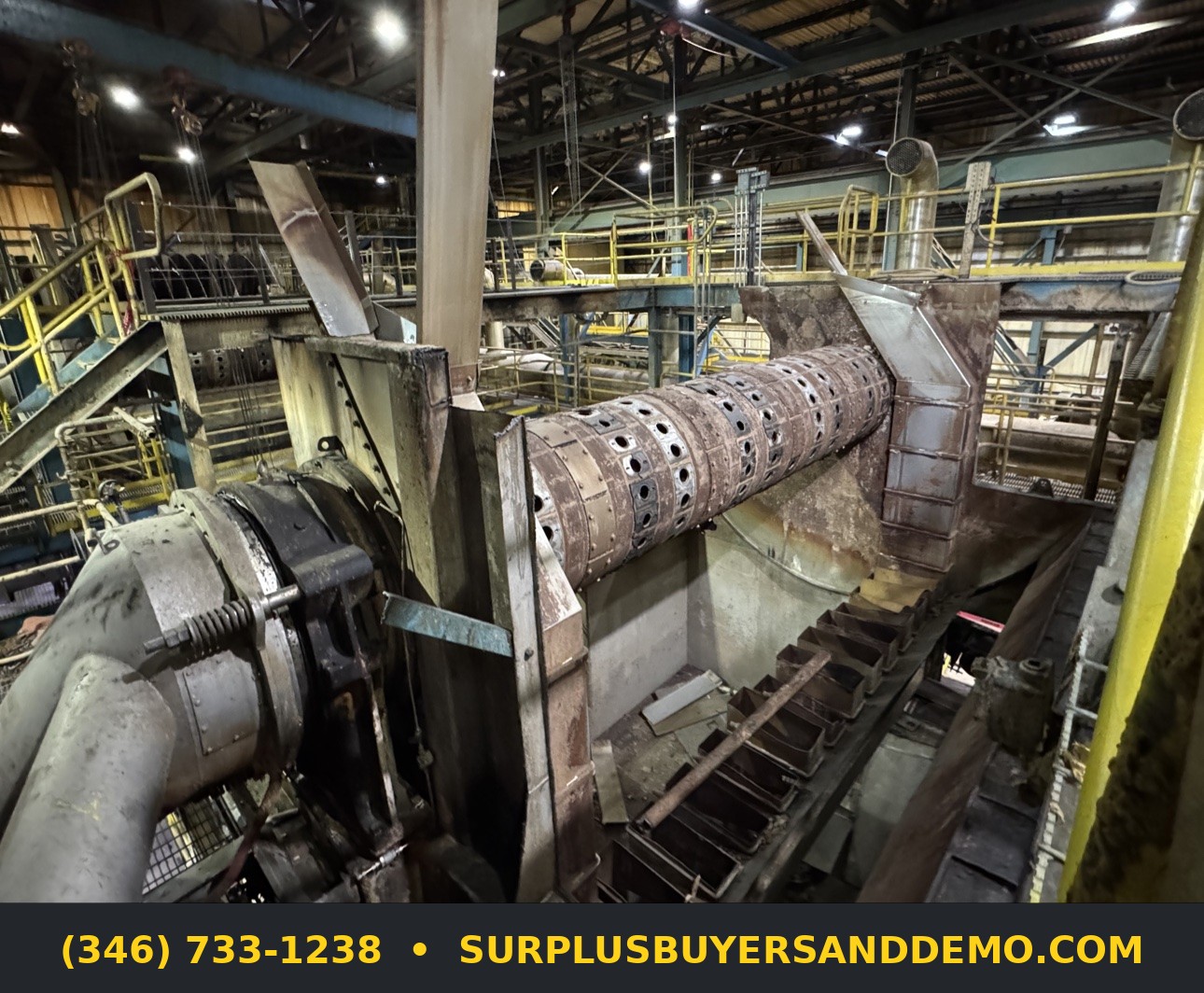
Where Surplus Comes From
Surplus electrical equipment reaches the market through a handful of doors: plant closures and line shutdowns; upgrades, where working gear is replaced before it fails; electrical-room cleanouts and storeroom purges; demolition projects; and cancelled construction, where gear was bought, delivered, and never installed. That last category is more valuable than sellers expect. In November 2026 we bought a cancelled data-center project near Little Rock, Arkansas outright — the whole project, including crated, never-installed cooling equipment that is now headed back into service somewhere else instead of into a scrap yard. Equipment that never ran is the strongest surplus there is, and cancelled-project gear is chronically underpriced by sellers who assume delivered means depreciated. It does not.
What Buyers Pay For
Buyers price equipment they can resell, and resale runs on identification. The hierarchy is simple:
- Identified beats unidentified. A breaker with a photographed label is an asset. The same breaker in a mixed bin is a guess, and guesses price low.
- Complete beats partial. Lineups with their breakers and buckets in place, motors with their conduit boxes and leads, transformers sealed and intact — completeness is money.
- Standard beats odd. Common voltages, ratings, and configurations fit many facilities, so more buyers compete for them.
- Current and supported beats orphaned — usually. Recent gear has broad demand; discontinued gear has narrow but sometimes intense demand from facilities that must match what they run.
- Documented beats mysterious. Test records, oil reports on transformers, and a known history (running take-out vs. failed) all firm up an offer.
How to Prepare a Lot (Without Spending Money on It)
Preparation is about information, not elbow grease. Walk the gear once with a phone: photograph every nameplate, take wide shots of lineups and rooms, count quantities of identical items, and jot down what you know about condition and history. Keep lots together and keep components with their parents — buckets with the MCC, breakers with the lineup, until the whole thing is priced. Do not clean gear with water, do not paint it, do not cut cables or leads to tidy up, and do not pull the copper bus or the main breakers for a quick scrap sale before the equipment is priced whole. Every one of those "improvements" subtracts value. The best-prepared lot is an untouched lot with good photos.
Your Selling Channels, Honestly Compared
Sell it yourself, piece by piece. Online marketplaces and auction sites can return the highest gross on individual high-value items — if you have the months it takes, the knowledge to write listings buyers search for, and the patience for packing and freight. For a full electrical room, most sellers find the last 60% of the lot never moves.
Auction. Auctions convert everything to cash on a fixed date, and competitive categories do fine. But you pay commissions, the gear sells to whoever shows up that week, and thin categories sell thin. An auction is a certainty tool, not a value tool.
Scrap yard. Fast, simple, and priced by the pound. Right for genuinely damaged, burned, or obsolete-beyond-demand material — wrong for identified, working equipment, which is almost always worth more as equipment than as metal.
A direct buyer. One written offer for the whole lot, pickup arranged, payment on pickup. The gross on any single hero item may be lower than a perfect piecemeal sale — and the total, the speed, and the certainty are usually better, because the buyer is pricing everything, including the gear that would never sell one piece at a time. For closures and deadlines, this is the channel built for the situation.
Paperwork and Payment: What a Clean Sale Looks Like
A professional sale is boring on paper, and that is the point. Expect a written offer before anything moves. Expect a bill of sale documenting what was sold and for how much. Expect payment on pickup — not after the truck leaves, not net-30 on a first deal. For larger projects, terms can be agreed in writing before removal starts. If a buyer will not put the offer in writing, that tells you what the offer is worth.
The Mistakes That Cost the Most
- Pricing the equipment after the demolition starts. Gear that has been knocked loose and rained on is worth a fraction of the same gear photographed in place. Price early.
- Stripping the best pieces first. Pulling main breakers and copper bus for quick cash guts the value of everything left behind.
- Assuming old means scrap. Discontinued switchgear, MCC buckets, and breakers are often exactly what another plant is desperate to find.
- Assuming new surplus means near-list price. It does not — but identified, sealed surplus is the strongest category there is, and it deserves real offers, not scrap quotes.
- Letting a deadline negotiate for you. A buyer who knows you must be out Friday has no reason to stretch. Start the conversation while you still have weeks, not days.
How It Works With Surplus Buyers & Demo
Step 1 — Send photos of the nameplates and the gear, where it sits. Call or text (346) 733-1238, or use the quote form at surplusbuyersanddemo.com and tell us what you have.
Step 2 — Get a written offer for the lot, priced as equipment — breakers, switchgear, transformers, MCCs, motors, generators, bus duct, and cable.
Step 3 — Pickup is arranged around your schedule, including removal and rigging on closures, demolitions, and decommissioning projects.
Step 4 — Payment on pickup, with a documented bill of sale.
We are based in Houston and buy nationwide — from a storeroom shelf of breakers to a full cancelled project. Whatever you are looking at, start with the nameplate photos. That is where every honest number begins.
Frequently Asked Questions
What kinds of electrical equipment do you buy?
Circuit breakers, switchgear, transformers, motor control centers and buckets, industrial motors, generators, bus duct and busway, starters and drives, and copper cable and bus bar — used, as-removed, and new surplus, all major brands.
How much of a lot do I need to have before I call?
There is no minimum that matters. A single large breaker or transformer can justify a call, and full electrical-room cleanouts are our everyday work. Combine small items into one lot for the best overall number.
Should I get a scrap quote too?
Yes — comparison is healthy. For identified, working equipment, an equipment offer should beat a by-the-pound quote clearly. If it does not, ask the buyer to explain the pricing; the answer tells you a lot.
Can you buy equipment from a plant that is still operating?
Yes. We price gear in place from photos and schedule pickup around your shutdown or changeover. Nothing needs to be removed before you contact us.
What paperwork do I get?
A written offer before removal and a documented bill of sale at pickup, when you are paid. Larger projects can be set on agreed written terms in advance.
How do I start?
Send photos of the nameplates and the gear — call or text (346) 733-1238 — or submit the quote form on surplusbuyersanddemo.com. Nameplate photos get you the fastest, firmest offer.
Send photos of the nameplate and the gear — call or text (346) 733-1238 for a written offer.
Office: (346) 526-1405 · Toll-free: 1 (877) 722-6048
Tell Us What You Have →