

What Is a Used Transformer Worth?
Ask five buyers what a used transformer is worth and you may get five different answers — because a transformer's value is not one number. It is the result of its size, its voltages, what its windings are made of, what shape it is in, and how many facilities out there could actually use it. Two transformers that look identical from the fence can be worth very different money. This guide explains the factors buyers weigh, so you can tell a fair offer from a low one — and know what to photograph to get a real number instead of a guess.
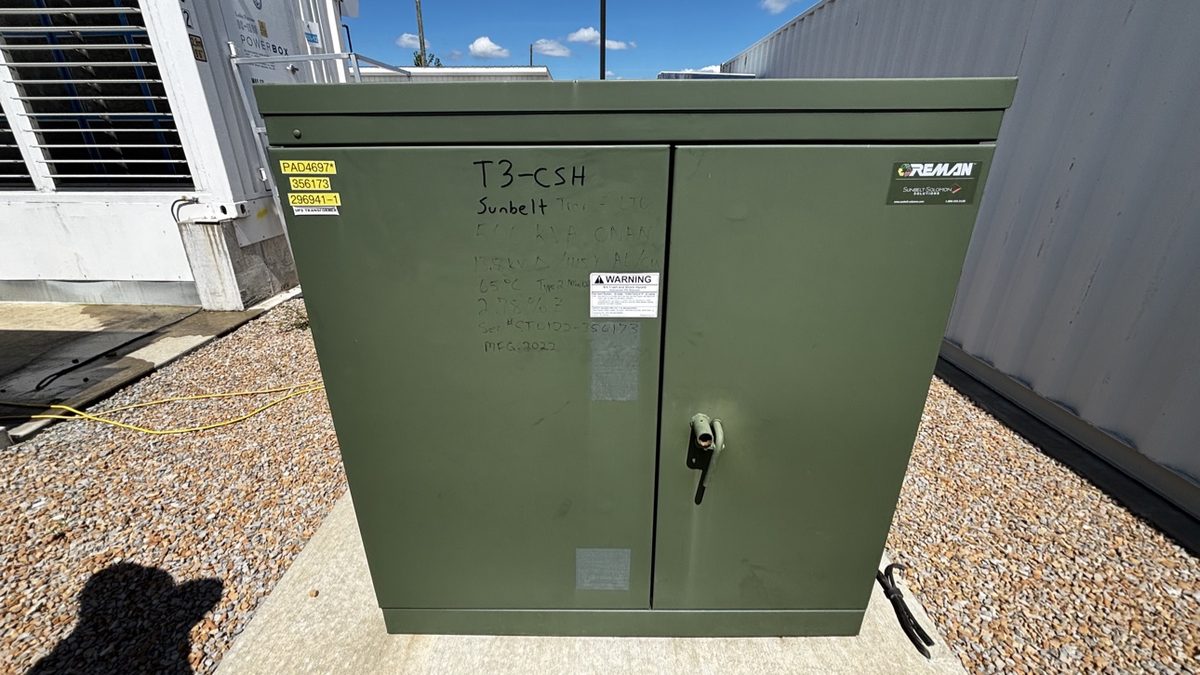
Start With the Nameplate
Almost everything that matters is stamped on the nameplate: kVA rating, primary and secondary voltages, impedance, serial number, manufacturer, and often the total weight. A clear photo of that plate is the single most valuable thing you can send a buyer. Without it, any quote is a guess — and guesses get priced conservatively. If the nameplate is missing or unreadable, say so up front; a buyer can sometimes work from the serial number and dimensions, but the offer will reflect the uncertainty.
Factor 1: Size (kVA) — and Whether Anyone Needs That Size
Bigger is not automatically better. Value follows demand, and demand concentrates in the sizes and configurations that common facilities use. Mid-size padmount and substation transformers in standard ratings tend to have the deepest resale market. Very small units may be worth little more than their material content, and very large or unusual units can be extremely valuable — but to a smaller pool of buyers, so they can take longer to place. Dry-type transformers follow the same rule: common sizes in standard voltages move; oddballs wait.
Factor 2: Voltages
A transformer is only useful to a facility whose power matches it. Standard primary and secondary voltage combinations fit many buyers; unusual combinations fit few. Dual-voltage primaries and common secondary voltages widen the market and support the price. When you photograph the nameplate, make sure the voltage lines are legible — that one detail can change an offer more than the unit's age does.
Factor 3: Copper vs. Aluminum Windings
Copper-wound transformers carry more value than aluminum-wound units of the same size, both in resale and in underlying material. The catch: you usually cannot tell from outside. The nameplate weight is a clue — a copper unit of the same kVA is noticeably heavier — and the manufacturer can sometimes confirm windings from the serial number. Honest buyers will tell you when they cannot verify the winding material and are pricing that uncertainty in. Be cautious with any buyer who guarantees copper money sight unseen, and with any seller-side advice to open a sealed tank to check: opening a transformer destroys value. Never do it.
Factor 4: Type and Condition
Padmount, substation, pole-mount, and dry-type transformers serve different buyers. For oil-filled units, condition questions dominate: Is it holding oil, or are there leaks at the bushings, valves, or seams? Is there rust on the tank and radiators? Are the bushings intact? Has the oil ever been tested? A unit that was in service and removed during an upgrade is a very different asset from one that failed in service — a failed unit may still have material and parts value, but it will not be priced as a working transformer. Say which it is; buyers find out anyway, and honesty keeps the offer firm instead of renegotiated at the truck.
Factor 5: The PCB Question
Transformers built before the late 1970s may contain PCB oil, and that changes everything about handling, transport, and value. If your unit is of that era, an oil test result is money: documented non-PCB oil protects the value, while confirmed PCB content can turn a transformer from an asset into a disposal cost. Do not guess. If you have test paperwork, send it with the nameplate photo. If you do not, a serious buyer will want testing arranged before removal — that is normal, and it is for everyone's protection.
Factor 6: Quantity, Location, and Loading
A transformer is heavy, and moving it costs real money. A unit sitting where a crane or forklift can reach it, at a site with room to load, is worth more net to a buyer than the same unit in a tight basement or a remote site — not because the transformer changed, but because the cost of getting it out did. Multiple units at one location help too: one trip that loads three transformers spreads the freight across all of them. When you reach out, mention how the unit can be loaded and whether there is more than one.
Factor 7: Brand, Paperwork, and History
Major manufacturers — Square D, Eaton, GE, ABB, Siemens, and long-standing dry-type builders like Hammond and Acme — have the deepest resale demand because facilities know the product and can source matching parts. Paperwork adds real value on top: a recent oil test, a dissolved-gas analysis, or maintenance records tell the next owner the unit was cared for, and cared-for units get priced with confidence. History matters the same way. A transformer retired in a planned upgrade, with records, is a stronger asset than the identical unit with an unknown past — which is one more reason to sell while the paperwork and the people who know the unit are still around.
How to Get a Real Number
Step 1 — Photograph the nameplate and the full unit from two sides. Include the bushings and any visible leaks or damage — hiding damage only delays the real offer.
Step 2 — Send what you know: in service or removed, any oil test paperwork, and how it can be loaded.
Step 3 — Get a written offer priced as equipment. Compare it against the scrap-by-weight quote if you have one; for standard sizes in decent condition, equipment value should win.
Step 4 — Pickup is arranged and you are paid on pickup, with a documented bill of sale.
Surplus Buyers & Demo buys transformers nationwide from our Houston base — padmount, substation, pole, and dry-type, single units and full substation cleanouts. Send the nameplate photo and we will tell you straight what yours is worth and why.
Frequently Asked Questions
Can you value my transformer from a photo?
From a clear nameplate photo, yes — kVA, voltages, manufacturer, and serial number are enough to build a real offer in most cases. Photos of the unit's condition make the offer firmer.
My transformer failed in service. Is it worth anything?
Possibly. A failed unit loses its resale-as-equipment value, but it can still carry material and parts value depending on size and winding material. Send the nameplate and tell us it failed — we will price it honestly on that basis.
How do I know if my transformer has PCBs?
Age is the first clue — pre-late-1970s oil-filled units are the concern — but only an oil test confirms it. If you have test records, send them. If not, testing can be arranged before removal.
Should I drain the oil before selling?
No. Leave the unit sealed and intact. Draining or opening a transformer creates handling problems and lowers its value. Buyers handle oil as part of removal.
Do you buy dry-type transformers too?
Yes — dry-types in common sizes and voltages, as well as padmount, substation, and pole units. The nameplate photo tells us which market yours fits.
How am I paid?
Payment on pickup with a documented bill of sale. Larger projects can be set on agreed written terms.
Send photos of the nameplate and the gear — call or text (346) 733-1238 for a written offer.
Office: (346) 526-1405 · Toll-free: 1 (877) 722-6048
Tell Us What You Have →