

How to Sell Used Switchgear
Switchgear is some of the most valuable electrical equipment that comes out of a plant, a hospital, a data center, or a commercial building — and some of the most commonly under-sold. A lineup that took a six-figure budget to install still holds real equipment value on the secondary market, because the plants and facilities that run the same gear need sections, breakers, and parts that are expensive or slow to buy new. But switchgear only brings equipment money when it is sold as equipment. The moment it is cut apart and sold by the pound, most of that value is gone. This guide walks through what buyers actually look at, how an offer gets built, and how to sell a lineup the right way.
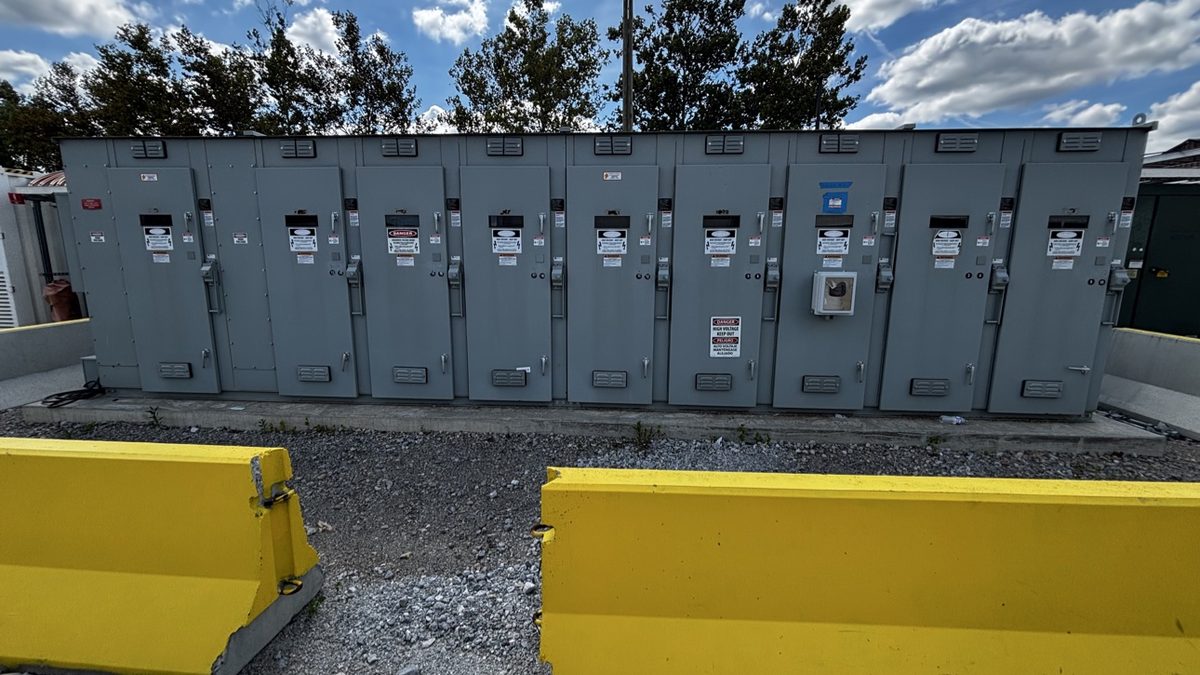
What Counts as Switchgear
Sellers use the word loosely, so it helps to name what you have. Low-voltage switchgear and switchboards (typically 480V class) distribute power through a building or plant and are built around large air circuit breakers or insulated-case breakers. Medium-voltage switchgear — 5kV and 15kV class lineups, metal-clad or metal-enclosed — feeds larger facilities and utility services. Both move on the used market. So do the individual breakers inside them, the bus work that ties the sections together, and the relays and controls mounted in the doors. If you are not sure which you have, the nameplate will say, and a photo of it answers the question in seconds.
What a Buyer Reads First: The Nameplate
Every serious offer starts at the nameplate. Photograph it before anything else. The details that set the value are:
- Manufacturer and model line — Square D, Eaton / Cutler-Hammer, Siemens, GE, ABB, and legacy lines from Westinghouse and ITE all have active resale demand, but demand is not equal across lines or eras.
- Voltage class and bus rating — 480V versus 5kV/15kV, and the main bus ampacity (for example 2000A, 3000A, 4000A). Standard ratings that fit common facilities are worth more than odd configurations.
- Main and feeder breaker types — the draw-out air circuit breakers in a lineup are often the single most valuable components. Frames like Square D Masterpact, GE AK and AKR series, Westinghouse DS, and Cutler-Hammer Magnum breakers have strong parts and replacement demand.
- Bus material — copper bus versus aluminum bus is one of the biggest value swings in any lineup. Copper bus carries both higher scrap weight value and higher resale value. If you can safely see the bus through an open section, note its color and photograph it.
Condition: What Raises an Offer and What Lowers It
Switchgear that is still in service, or was de-energized and removed intact, is worth more than gear that has been sitting outside. Buyers discount for rust and corrosion on the enclosure and bus, heat discoloration, water intrusion, missing breakers, missing doors and hardware, and arc damage. None of that makes a lineup unsellable — condition changes the number, not whether there is one. What hurts most is partial stripping: once the main breaker or the copper bus has been pulled for quick scrap, the remaining sections drop toward scrap value too, because the next buyer wanted the lineup whole. If you are considering pulling the valuable pieces first, get an equipment offer on the complete lineup before anything is removed.
Obsolete Does Not Mean Worthless
Older lineups that manufacturers no longer support are exactly what many facilities are hunting for. A plant running a legacy GE, Westinghouse, or ITE lineup cannot order a replacement breaker off the shelf — the used market is the shelf. Breakers, trip units, racking mechanisms, and even individual sections from discontinued lines carry parts value that newer commodity gear does not. Age alone is not a reason to scrap a lineup, and in many cases it is the reason the lineup is worth selling carefully.
A Full Lineup vs. a Single Section
Sellers sometimes have one section to move — a spare lineup segment, a single switchboard, one section left after a partial upgrade. Singles sell, and a section with a desirable main or feeder breaker can sell well. But understand the pricing logic: a complete lineup is a working system the next facility can install, while a single section is usually bought for its breakers, bus, and parts. If you have the full lineup, sell it as a full lineup, even if one section is damaged — note the damage honestly and let the buyer price the whole. Splitting a lineup yourself before it is priced almost always lowers the total.
How to Sell It: The Process
Step 1 — Photograph it. Send a wide shot of the full lineup, a close-up of the nameplate, close-ups of the main and feeder breaker labels, and a shot of the bus if a section is open. Photos of the gear where it sits are fine — it does not need to be removed first.
Step 2 — Get a written offer. We price the lineup as equipment, in writing, so you can compare it against any scrap quote side by side.
Step 3 — Pickup is arranged. For gear that is still installed, removal is coordinated with your crew and your shutdown schedule — de-energized, locked out, and rigged out by people who move this equipment regularly.
Step 4 — Payment on pickup. You are paid when the gear is picked up, with a documented bill of sale. Nothing leaves on a promise.
Mistakes That Cost Sellers Money
- Selling the lineup by the pound. Scrap pays for metal weight. Equipment value — breakers, bus, sections — is almost always higher, and it disappears the moment the lineup is cut up.
- Stripping the main breaker first. A lineup missing its main is worth far less to the next buyer than the main was worth as quick scrap.
- Letting removed gear sit outdoors. A few months of rain can turn clean indoor gear into a corrosion discount.
- Waiting until demolition day. When the demo crew's schedule is the deadline, sellers take whatever is offered. A few weeks of lead time gets real offers.
Surplus Buyers & Demo is based in Houston and buys switchgear nationwide — single sections, complete lineups, and full electrical-room cleanouts, including gear still in place on plant closures and demolition projects. Send photos of the nameplate and the gear and we will put a written number on it.
Frequently Asked Questions
Do you buy switchgear that is still installed and energized?
Yes. We regularly price gear that is still in place. Removal is coordinated with your shutdown schedule, and the equipment is de-energized and locked out before anything is touched.
Should I sell the breakers separately from the lineup?
Usually no. A complete lineup is worth more to one buyer than the pieces are worth sold one at a time, and parting it out takes months. If you already have loose breakers, we buy those too — send photos of the labels.
Does switchgear need to be tested before you will buy it?
No. We buy in-service, de-energized, as-removed, and untested gear. Testing and condition affect the offer, not whether we make one.
How do I find out if my bus is copper or aluminum?
Check the nameplate first — many list the bus material. If a section is open and safely de-energized, copper bus shows a copper color and aluminum shows silver-gray. A clear photo of the bus helps us price it correctly.
How am I paid?
Payment on pickup, with a documented bill of sale. Larger projects can be set on agreed written terms before removal starts.
How fast can I get an offer?
With clear nameplate and lineup photos, we can usually turn a written offer quickly — the photos are what make it fast. Text them to (346) 733-1238.
Send photos of the nameplate and the gear — call or text (346) 733-1238 for a written offer.
Office: (346) 526-1405 · Toll-free: 1 (877) 722-6048
Tell Us What You Have →