

How to Sell a Motor Control Center (MCC)
A motor control center is easy to walk past and hard to price — a gray row of sections that looks like one asset but is really two: the lineup as working equipment, and the buckets, breakers, and bus inside it. Sellers who understand that distinction get paid for both. Sellers who don't usually get paid for neither — the MCC goes out with the building demo or gets sold as generic scrap. This guide explains what an MCC is worth, the single factor that swings its value the most, and how to sell a lineup whole, in one offer and one pickup.
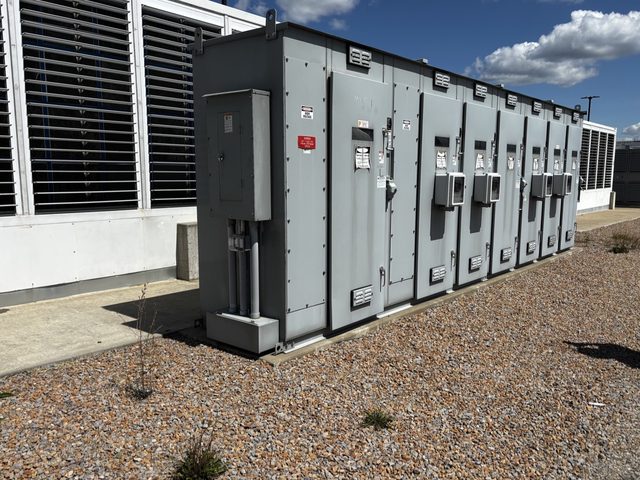
What You Are Actually Selling
An MCC is a lineup of vertical sections fed by a horizontal bus. Each section holds buckets — removable units containing a starter, a feeder breaker, or a drive — that control and protect individual motors. When a buyer looks at your lineup, he is pricing four things: the structure and bus, the bucket mix, the main device, and how complete and intact it all is. A lineup with its doors, wireway covers, and buckets in place is a product. A lineup that has been picked over is a project, and projects price lower.
The Factor That Swings Value Most: Bus Material
Copper bus versus aluminum bus is the biggest single variable in an MCC's value — it can move the number by half. Copper-bus lineups carry far more material value and stronger resale demand; aluminum-bus lineups are lighter in every sense. How to tell what you have: the lineup nameplate sometimes lists it. If not, look at the horizontal bus visible through an open section or above the buckets on a de-energized lineup — copper shows its namesake color, aluminum is silver-gray — and photograph what you see. Never guess when you describe it. If we cannot verify the bus from photos, the offer has to price the uncertainty, and uncertainty never prices in the seller's favor.
The Other Factors Buyers Weigh
- Manufacturer and model line. Square D Model 5 and Model 6, Allen-Bradley Centerline 2100, Eaton Freedom and Advantage series, Siemens tiastar, and GE's 7700 and E9000 lines all have installed bases that need buckets and parts. Model line matters because buckets are not interchangeable across brands.
- Bus rating and voltage. Horizontal bus ratings commonly run from 600A up through 3000A and beyond; 480V lineups fit the widest market. The nameplate on the end section carries these details.
- Bucket mix. Starter buckets in popular NEMA sizes are the bread and butter of MCC resale. Feeder breaker buckets add value. Buckets containing variable-frequency drives can add more, depending on the drive. Empty spaces and blank plates add least — a lineup's value follows what's actually in it.
- Completeness and condition. Missing buckets, doors, and covers reduce value section by section. Indoor lineups removed intact price far better than lineups that sat outdoors or were dragged out during demolition.
Whole Lineup vs. Parting Out the Buckets
Sellers often ask whether they would do better selling buckets one at a time. Sometimes the gross total of patient, piecemeal selling is higher — and it should be, because it takes months of listing, photographing, packing, and shipping individual buckets, and the odd sizes may never sell at all. A whole-lineup sale is one written offer, one pickup, one payment, and the building is clear on your schedule instead of the market's. For most closures, upgrades, and demolitions, that certainty is worth more than the difference. The right move is to price the lineup whole first, with the bucket mix photographed — then you are choosing with real numbers in hand.
How to Sell It
Step 1 — Photograph the lineup end to end, then the nameplate on the end section, then open a few buckets and photograph their labels, plus the bus if it is visible. A slow video walk of the lineup works too.
Step 2 — Count the sections and note what you know: still installed or already removed, in service until when, and how it can be loaded.
Step 3 — Get a written offer on the complete lineup, priced as equipment.
Step 4 — Pickup is arranged around your schedule. Sections are rigged and hauled as units, and you are paid on pickup with a documented bill of sale.
The Main Device, Drives, and What Else Is in the Room
Two more details shape an MCC offer. The first is the main: a lineup fed by a main breaker section carries that breaker's value with it, while a main-lug-only lineup prices on its buckets and bus alone — photograph the main section either way. The second is what is inside the buckets beyond starters. Buckets housing variable-frequency drives, soft starters, or modern overload relays can add meaningful value, but only if the buyer knows they are there — a closed door hides them, so open a representative sample of buckets when you photograph. Finally, look at the rest of the room before you call. MCCs rarely live alone; the same electrical room often holds the switchgear, transformers, and spare motors that came with the lineup. Pricing the room as one lot almost always beats pricing the MCC alone, because one crew and one truck clear everything.
One Warning Before Demolition
If an MCC is coming out as part of a demolition or a plant closure, price it before the demo crew starts, not after. Once a lineup has been knocked loose, dragged, or rained on, it is no longer the asset it was the week before — and the difference comes straight out of your pocket. A few photos and a phone call ahead of the schedule protects the value.
Surplus Buyers & Demo buys MCC lineups nationwide from Houston — complete lineups, loose buckets, and electrical-room cleanouts, still installed or on the floor. Send photos of the lineup and the nameplate and we will put a written number on it.
Frequently Asked Questions
How can I tell if my MCC bus is copper or aluminum?
Check the nameplate first. If a section is open on a de-energized lineup, copper bus is copper-colored and aluminum is silver-gray. Send a photo of the bus with your lineup photos and we will price it as what it is.
Do you buy loose MCC buckets without a lineup?
Yes. Buckets from Square D, Allen-Bradley, Eaton, Siemens, and GE lines all have buyers. Photograph the bucket labels and tell us the quantities.
The lineup is still installed and running. Can you still make an offer?
Yes — that is common. We price it from photos and the nameplate, and pickup is scheduled around your shutdown. Removal and rigging are arranged as part of the sale.
Is it better to sell the whole lineup or the buckets separately?
For most sellers, the whole lineup: one offer, one pickup, one payment. Parting out can gross more over months of individual sales, but most buckets sell slowly and some never do. We will price the whole lineup so you can decide with a real number.
What if some buckets or doors are missing?
We still buy it. Completeness affects the price section by section, so photograph the lineup as it stands and we will price what is actually there.
How am I paid?
Payment on pickup with a documented bill of sale. Larger projects can be set on agreed written terms.
Send photos of the nameplate and the gear — call or text (346) 733-1238 for a written offer.
Office: (346) 526-1405 · Toll-free: 1 (877) 722-6048
Tell Us What You Have →