

We Buy Used Transformers
Surplus Buyers & Demo buys used transformers from utilities' surplus yards, plants, schools, hospitals, data centers, and demolition projects nationwide. A transformer is one of the few pieces of electrical equipment where the same unit can be a working asset, a parts source, or a material recovery — and which one it is gets decided by its nameplate, its windings, and its condition. We price each unit for what it actually is, in writing, before it moves. Based in Houston, Texas, we buy single units and full substation cleanouts, in service or already on the ground.
What We Buy
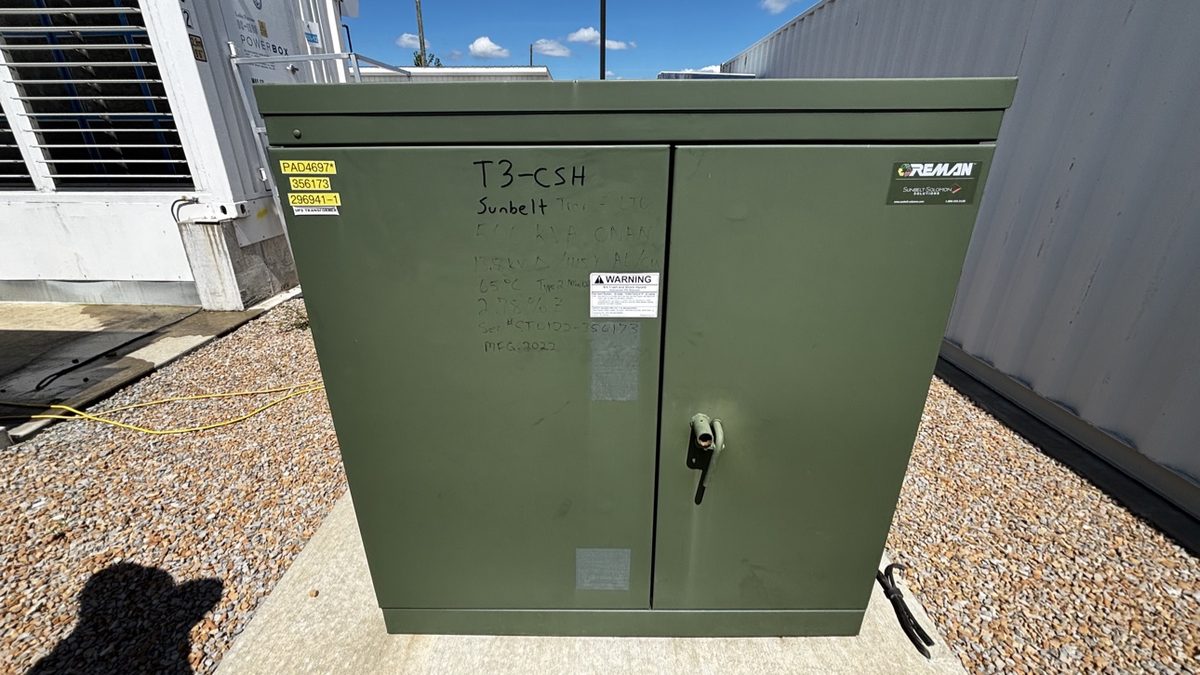
- Padmount transformers — single-phase and three-phase, loop-feed and radial-feed, in the standard kVA ratings commercial and industrial sites run.
- Substation and power transformers — oil-filled units feeding plants and facilities, including multi-unit substation cleanouts.
- Dry-type transformers — general-purpose and drive-isolation units, ventilated and encapsulated, in common sizes and voltages.
- Pole-mount transformers — single units and utility-surplus quantities.
- Control and specialty units — buck-boost, isolation, and machine-tool transformers when they are part of a larger lot.
- Brands we buy: Square D (Schneider), Eaton / Cooper Power, GE, ABB, Siemens, Hammond, Acme, Howard, and other established builders.
- Conditions: in service, removed during upgrades, shelf spares, failed units (priced on core and material), and new surplus that was delivered and never installed.
What Sets the Price
- kVA size — and demand for that size. Standard ratings that many facilities can use have the deepest market. Very small units sit close to material value; very large or unusual units can be valuable to a narrower pool of buyers.
- Voltages. Common primary and secondary combinations fit more buyers and price stronger. Dual-voltage primaries widen the market further. Unusual combinations fit few facilities and price accordingly.
- Winding material. Copper-wound units carry more value than aluminum-wound units of the same size, in resale and in material. The nameplate weight and the manufacturer's records for the serial number are the usual clues — the tank is never opened to check, because opening a sealed unit destroys value.
- Condition and history. A unit removed during a planned upgrade is a working asset. A unit that failed in service is priced on its core and material. Leaks at bushings, valves, or seams, tank and radiator rust, and damaged bushings each come off the number — disclose them in the photos and the offer stays firm.
- Oil and the PCB question. Oil-filled units from before the late 1970s may contain PCB oil, which changes handling and value entirely. A documented non-PCB oil test protects a unit's price; if you have test paperwork, it is worth money to send it.
- Loading and location. A transformer a crane or forklift can reach loads cheaper than one in a pit or a tight vault, and several units at one site spread one trip across all of them.
What to Photograph
- The nameplate, close and legible — kVA, primary and secondary voltages, impedance, manufacturer, serial number, and total weight. This one photo does most of the work.
- The full unit from two sides, showing tank, radiators, and bushings.
- Any leaks, rust, or damage, shown as they are.
- For dry-types, the rating label and the enclosure condition.
- The setting — how a truck and lifting equipment can reach the unit, and anything else on site that is also for sale.
How Selling It Works
Step 1 — Send photos of the nameplate and the unit where it sits. Call or text (346) 733-1238, or use the quote form. Add any oil test paperwork you have.
Step 2 — Get a written offer priced for what the unit is — working equipment, core, or material — with the reasoning on the table.
Step 3 — Pickup is arranged, including rigging and loading for larger units. Leave the transformer sealed and intact; draining or opening it creates problems and lowers value.
Step 4 — Payment on pickup, with a documented bill of sale.
The PCB Question, Handled Straight
If your transformer is an older oil-filled unit, the honest path is testing, not guessing. Documented non-PCB oil keeps a unit in the equipment market. Confirmed PCB content moves it into regulated handling, where it may carry disposal cost instead of resale value — which is exactly why paperwork matters and why a serious buyer raises the subject before removal, not after. If you have oil test records or a dissolved-gas analysis, send them with the nameplate photo. If you do not, testing can be arranged as part of the sale. Either way, you will know what your unit is and what it is worth before anything is loaded.
Single Units and Full Substation Cleanouts
One transformer is a straightforward sale: nameplate photo, written offer, one pickup. A substation or a yard of units prices as a lot, and lots work in the seller's favor — one rigging crew and one trip spread across several units means each unit carries less removal cost, and a buyer can price the group with more confidence than a string of singles. If you are clearing a substation, photograph every nameplate in it, including the spares sitting on the pad. Spares that match the installed units are worth more than odd units, because the buyer pool for a matched group is deeper. Whatever the count, the first step is the same.
Whether it is one padmount behind a shopping center or a full substation coming out of a closing plant, send the nameplate photo first. That is where the real number comes from — and we will tell you straight what yours is worth and why.
Frequently Asked Questions
Can you price my transformer from photos alone?
In most cases, yes. A legible nameplate photo — kVA, voltages, manufacturer, serial number — plus photos of the unit's condition are enough to build a written offer. Firmer photos make a firmer offer.
My transformer failed. Is it still worth calling about?
Yes. A failed unit loses its working-equipment value, but size and winding material still give it core and material value. Tell us it failed and we will price it honestly on that basis.
How do I know if the windings are copper or aluminum?
Start with the nameplate: total weight is a strong clue, since a copper unit of the same kVA is noticeably heavier, and manufacturers can often confirm windings from the serial number. Never open a sealed tank to check — that destroys value.
Do you buy transformers with PCB oil?
PCB content changes handling, transport, and value, so it has to be established by testing rather than assumed. Send any test records you have; if none exist, testing can be arranged before removal.
Should I drain the oil or prep the unit before pickup?
No. Leave it sealed and intact. We handle the unit as it sits, and draining or opening it lowers its value and creates handling problems.
How am I paid?
Payment on pickup, with a documented bill of sale. Larger projects can be set on agreed written terms before removal starts.
Send photos of the nameplate and the gear — call or text (346) 733-1238 for a written offer.
Office: (346) 526-1405 · Toll-free: 1 (877) 722-6048
Tell Us What You Have →