

Obsolete Switchgear With Real Parts Value
Somewhere in your plant there is probably a lineup the manufacturer stopped supporting years ago. The breakers are discontinued, the parts catalog is a memory, and every electrician who walks past it calls it obsolete. Here is what those electricians know that the scrap quote does not: your plant is not the only one still running that gear. Across the country, facilities with the same discontinued lineups are hunting for exactly what is standing in your electrical room — because when one of their breakers fails, the used market is the only shelf it sits on. That is parts value, and it is real money. This guide explains how it works and how to sell obsolete switchgear for what it is actually worth.
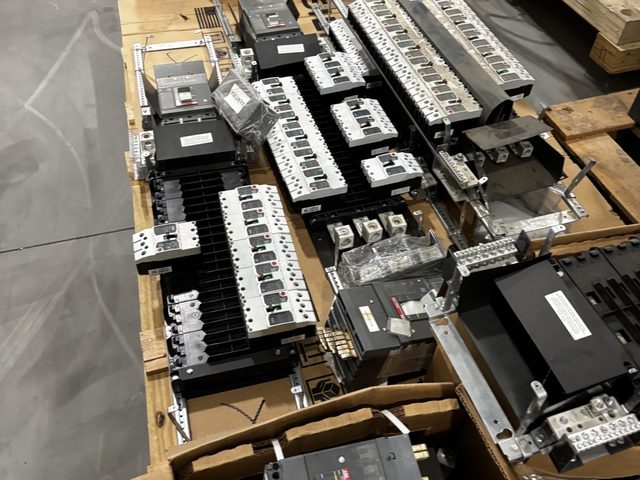
Why Discontinued Gear Has a Market at All
A production plant does not replace a whole switchgear lineup because one breaker fails. The lineup is woven into the building — bus, conduit, controls, downtime windows measured in money. So when a legacy breaker, trip unit, or mechanism fails, the maintenance team's real options are two: find the used part, or fund a capital project. They find the used part. That captive demand is what supports prices for discontinued gear from the legacy lines of GE, Westinghouse, ITE, Federal Pacific's industrial era, and the older Square D, Cutler-Hammer, Siemens, and Allis-Chalmers families. The older and more widely installed the line was, the deeper the pool of plants still depending on it — and the stronger the parts market underneath your lineup.
Where the Value Actually Sits
- The breakers. Draw-out power circuit breakers are the crown jewels of a legacy lineup — the frames, and their trip units, are what fail, what gets hunted, and what carries the price. A desirable legacy frame in clean condition can be worth more than everything else in its section combined.
- Trip units and controls. Original trip units, relays, and control components for discontinued lines are small, shippable, and constantly searched for.
- Racking mechanisms, shutters, and hardware. The unglamorous iron that keeps a draw-out lineup working — and that no one can buy new anymore.
- Bus and sections. Copper bus carries its material value in any era, and individual sections let another plant expand or repair a matching lineup.
- Starters, buckets, and fused switches from the same vintage — the supporting cast that facilities stock as spares when they can find them.
The Honest Exception
Not every old lineup is a parts goldmine, and a straight buyer will tell you which kind you have. A few notorious lines carry documented failure histories that have thinned their market to nearly nothing — facilities are replacing that gear on sight rather than repairing it, and its breakers price accordingly. Obscure gear that was rare when it was new is rare in demand now. And condition rules everything: a legacy lineup that has been outdoors, flooded, or burned is a material sale wearing a parts costume. The way to find out which kind yours is costs nothing — photograph the nameplate and the breaker labels and ask a buyer who trades in legacy gear. A fast, specific answer (naming the line and its market) is the sign of a buyer who knows; a shrug and a by-the-pound quote is the sign of one who does not.
Complete Beats Stripped, Even Here
Parts value tempts sellers to strip a lineup themselves — pull the breakers, sell the iron for scrap, done. Resist it until the whole lineup is priced. Buyers of legacy gear pay best for complete lineups because completeness means the breakers are still racked in their cells, the shutters and mechanisms are intact, and nothing has been bent, dropped, or weathered during a amateur teardown. A breaker pulled carelessly — racking arms bent, fingers damaged, trip unit cracked — falls from a premium part to a core. If the endgame does turn out to be parts, a buyer who specializes in the line will extract them the way the next owner needs them. Your job is only to keep the lineup whole, dry, and photographed until it is priced.
How Parts Value Gets Priced
Sellers sometimes imagine parts value is a guess. It is not — it is a ledger. A buyer who trades in legacy gear prices your lineup component by component: which breaker frames are present and in what condition, which trip units, how complete the mechanisms and shutters are, what the bus is made of, and how deep the demand is for that exact line among the plants still running it. Two adjustments then apply. Completeness raises the total, because every present part is a part the buyer does not have to source. Uncertainty lowers it, because untested legacy components are priced for the risk that some will fail the bench. That is why the same lineup earns a stronger offer from a specialist than from a generalist: the specialist already knows which of your parts have buyers waiting, and prices that knowledge in your favor instead of pricing his own ignorance against you. It is also why photos of breaker labels — the exact frames and trip units — move the number more than any other single thing you can send.
How to Sell It
Step 1 — Photograph the nameplate and every distinct breaker label, plus the full lineup end to end and the inside of one open section if the gear is de-energized.
Step 2 — Note the history you know: in service until when, any known faults, and whether the lineup is complete or already missing pieces.
Step 3 — Get a written offer from a buyer who prices legacy gear as parts and equipment — and compare it against the scrap quote. On desirable lines, the gap is the whole point of this article.
Step 4 — Pickup is arranged, removal is handled with the care parts value requires, and you are paid on pickup with a documented bill of sale.
One More Place Parts Value Hides
Before you sell, check the storeroom. Plants that run legacy gear accumulate spares for it — spare breakers on shelves, a spare trip unit in a cabinet, buckets bought at a sister plant's closure and never installed. Those spares are the purest form of parts value there is: identified, indoor-kept, and exactly what the market hunts. Photograph them with the lineup. A storeroom shelf of legacy spares can change the total on a sale more than sellers ever expect.
Surplus Buyers & Demo is based in Houston and buys obsolete and current switchgear nationwide — complete legacy lineups, loose breakers, and storeroom spares. Send photos of the nameplate and the breaker labels and we will tell you straight whether yours is the kind the market is hunting.
Frequently Asked Questions
The manufacturer discontinued my switchgear line years ago. Is it really worth more than scrap?
On widely installed legacy lines, often yes — facilities still running that gear must buy used parts, and breakers, trip units, and mechanisms carry real value. A few lines with known failure histories are the exception. Send the nameplate and we will tell you which kind yours is.
Should I pull the breakers out and sell them individually?
Price the complete lineup first. Complete gear prices best because the parts are intact and undamaged. Careless removal damages racking parts and trip units and turns premium parts into cores.
Do you buy spare breakers and parts without the lineup?
Yes. Shelf spares, loose legacy breakers, trip units, and buckets all sell — photograph the labels and tell us the quantities.
What if some sections are damaged or missing breakers?
We still price it. Parts value is figured piece by piece on what is actually there, so photograph the lineup as it stands and note what is missing.
How do I know if my gear is a desirable line or a problem line?
Ask a buyer who trades in legacy equipment and listen for a specific answer about your line and its market. We give that answer from nameplate and breaker photos — free, and before any offer.
How am I paid?
Payment on pickup, with a documented bill of sale. Larger projects can be set on agreed written terms before removal starts.
Send photos of the nameplate and the gear — call or text (346) 733-1238 for a written offer.
Office: (346) 526-1405 · Toll-free: 1 (877) 722-6048
Tell Us What You Have →