

How to Sell Used Wire and Cable
Wire and cable is the surplus almost every facility has and almost nobody sells well. It sits on reels in the warehouse, hangs in cable tray over a closed production line, and fills the conduit of buildings about to come down. Sold carelessly, all of it goes one place: into a mixed scrap load priced at the lowest grade on the truck. Sold with a little knowledge, the same cable separates into real categories — reusable cable that sells as a product, and copper-bearing scrap that grades far better than mixed wire. This guide explains how cable value works, what buyers look for, and how to sell everything from a single reel to a plant's worth of pulls.
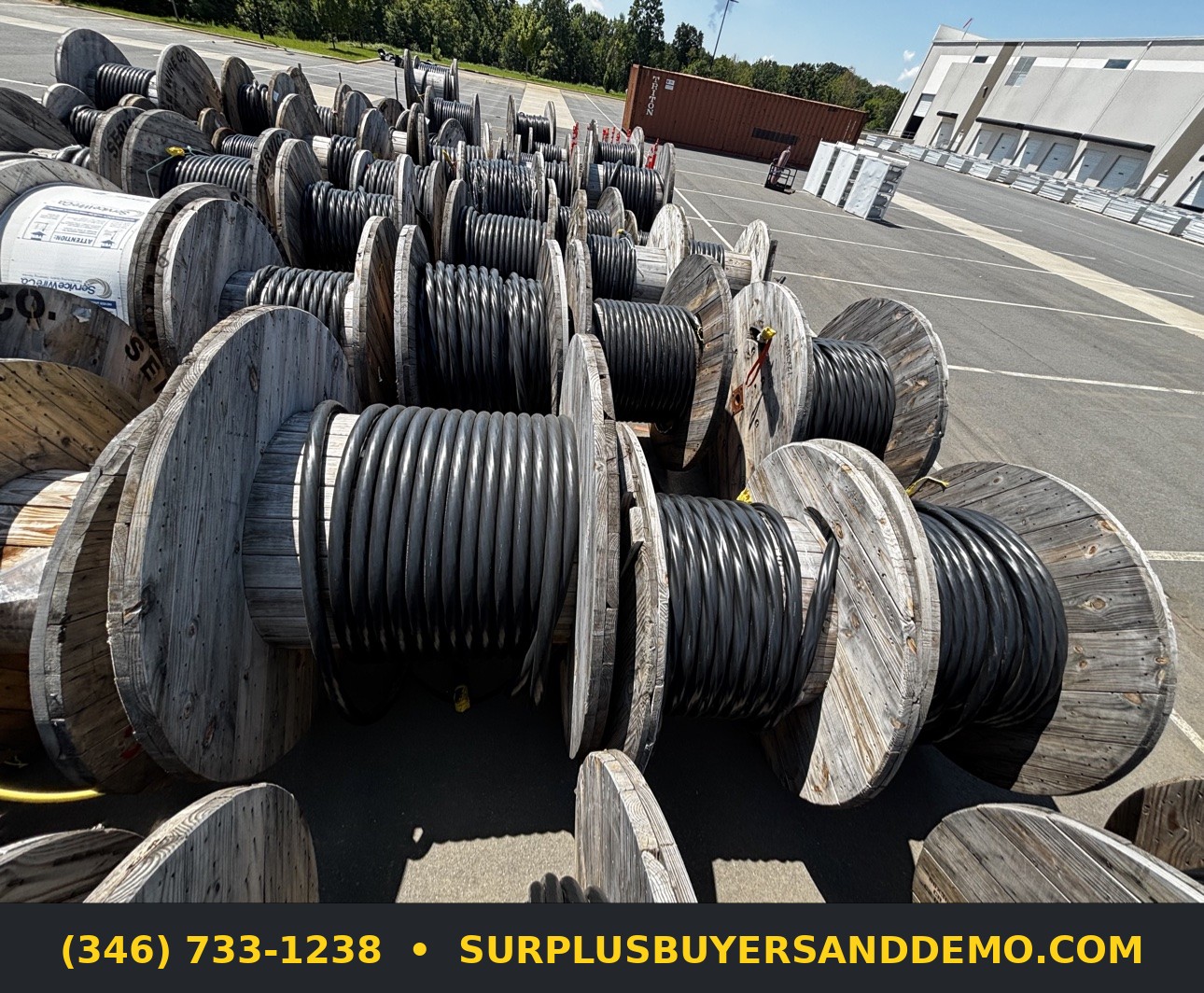
The Two Markets for Used Cable
Cable as a product. New-on-reel surplus, long clean pulls of large feeder cable, and specialty cable in usable lengths can be resold to be installed again. Product value follows the label: cable type, size, voltage rating, and length. A full reel with its factory tag intact is the strongest form of used cable there is.
Cable as copper. Cable that will not be reinstalled is still copper with insulation on it, and its scrap value follows copper content — which is why size matters so much. Large feeder cable is mostly copper by weight; small control wire is mostly plastic. Both sell, but they live in different price worlds, and mixing them prices the whole pile at the lower one.
What Sets the Price
- Conductor size. The big lever. Large sizes — the heavy feeder and service cable measured in MCM — carry the copper weight buyers pay for. Small-gauge wire sells, but by volume and grade, not by the piece.
- Copper vs. aluminum conductor. Both are common in feeders. Copper cable is worth substantially more; aluminum cable still has real value and should never be mixed into a copper lot, where it drags the grade down.
- Insulation and jacket. Insulation type affects the grade a scrap buyer can pay, because it affects copper recovery. Armored cable, lead-covered legacy cable, and heavily jacketed runs all grade differently from clean single-insulated copper.
- Length and form. Long continuous lengths and full or part reels beat short cut pieces for product resale. For scrap, form matters less than separation — sorted cable grades better than a tangled mixed pile.
- Quantity. Cable is a volume business. A plant's worth of tray and conduit pulls, gathered into one lot, earns a serious offer; a single short piece rarely justifies a trip on its own.
Reels: Read the Tag Before You Price the Reel
A reel of cable carries its own paperwork — the factory tag wired to the flange lists the cable type, size, voltage rating, and original footage. Photograph that tag. If the tag is gone, the printing on the cable jacket repeats most of the same information every few feet; photograph a clear section of the legend. Length is the honest unknown on a part-used reel: say what you know, estimate by the reel's fill if you must, and label it an estimate. Buyers price uncertainty conservatively, so a photographed tag and a straight answer about footage are worth real money. And never let a good reel get cut into scrap lengths before it is priced as cable — length is the value, and it does not come back.
Cable Still in the Building: Tray, Conduit, and Pulls
On closures and demolitions, most of the cable is still installed — in tray runs, conduit, and duct banks. That cable can absolutely be sold, and it should be priced before demolition starts, while it is still long, identifiable, and undamaged. Buyers price installed cable from a walk-through or good photos: the sizes visible at the gear it feeds, the tray runs, and where it terminates. Removal — pulling cable cleanly instead of ripping it out with the building — is part of the work a buyer handles on a purchase. Cable that comes out in long pulls keeps its grades; cable that comes out in an excavator bucket is mixed scrap, whatever it was the week before.
Reading the Jacket: Cable Types Buyers Ask About
The printing along a cable's jacket — the legend — names its type, and type steers the price. A few you will meet constantly: THHN and XHHW are the everyday building and feeder insulations, the bread and butter of both resale and scrap grades. MC and AC armored cable carries its metal armor with it, which changes its grade. Tray cable and control cable run in bundles of small conductors — low copper per foot, sold by volume. Welding cable and portable cord (SOOW and similar) are flexible, fine-stranded copper that grades well and resells readily in usable lengths. Medium-voltage cable — the shielded, heavy-jacketed feeders — is the heavyweight: serious copper, serious jacket, and a grade of its own. You do not need to memorize the alphabet. You need one clear photograph of the legend on each distinct cable in your lot, because that printing is what lets a buyer sort your pile into its real grades instead of pricing the whole thing as the cheapest thing in it.
How to Sell It
Step 1 — Photograph the cable and its markings. Reel tags, jacket printing, the ends showing conductor size, and wide shots of reels, coils, or tray runs.
Step 2 — Sort as you describe it: copper separate from aluminum, big feeder separate from small wire, reels separate from loose pulls. You do not need perfect piles — honest categories are enough.
Step 3 — Get a written offer for the lot, with product-grade cable priced as cable and scrap cable priced by its grade — not one blended low number for everything.
Step 4 — Pickup is arranged and you are paid on pickup, with a documented bill of sale. On closures, pulling and removal are handled as part of the sale.
Mistakes That Cost Sellers Money
- Mixing everything into one pile. Copper feeder, aluminum feeder, and small control wire in one heap prices at the heap's lowest grade.
- Cutting reels into short lengths. Length is what makes cable resalable. Short pieces are scrap, whatever the cable was.
- Stripping insulation yourself without a plan. Burning insulation off is illegal in most places and destroys value and air alike; mechanical stripping only pays on the right cable at the right volume. Sell insulated cable to a buyer who grades it properly instead.
- Letting demolition take the cable. Cable ripped out with the structure is damaged, mixed, and short. Priced and pulled before demo, the same cable is a clean lot.
Surplus Buyers & Demo is based in Houston and buys used wire and cable nationwide — reels, coils, tray and conduit pulls, and full-plant cable lots on closures and decommissioning projects. Send photos of the tags, the jacket printing, and the pile and we will put a written number on it.
Frequently Asked Questions
Is my cable worth more as cable or as scrap?
It depends on type, size, and length. Full reels and long lengths of large feeder cable often resell as product; short or mixed cable prices as copper scrap by grade. We price both ways and tell you which your lot earns.
Do I need to strip the insulation before selling?
No. Sell it insulated. We grade insulated cable as it sits — stripping is slow, and burned insulation is both illegal in most places and value-destroying.
Can you buy cable that is still installed in tray and conduit?
Yes — that is normal on closures and demolitions. We price it from photos or a walk-through, and pulling it cleanly is handled as part of the purchase.
How do I tell copper cable from aluminum cable?
Check the jacket printing — it states the conductor material — or look at a cut end: copper is copper-colored, aluminum is silver. Keep the two separate; mixed lots grade at the lower metal.
I have one part-used reel. Is it worth selling?
Often yes, especially in larger sizes. Photograph the reel tag or the jacket legend and the reel itself so the remaining length can be judged, and we will price it.
How am I paid?
Payment on pickup, with a documented bill of sale. Larger projects can be set on agreed written terms before removal starts.
Send photos of the nameplate and the gear — call or text (346) 733-1238 for a written offer.
Office: (346) 526-1405 · Toll-free: 1 (877) 722-6048
Tell Us What You Have →