

Plant Closing? What Your Equipment Is Worth Before You Call an Auctioneer
When a plant closes, the auctioneer is usually the first call — and it is an understandable one. An auction promises a date, a clean building, and a check. What it does not promise is that your equipment will bring what it is worth. This is not an argument against auctions; they do some things well. It is an argument for one step before the auction contract gets signed: find out what your equipment is worth as equipment, to a buyer who prices it piece by piece. Sellers who take that step sometimes still choose the auction — but they choose it with their eyes open, and often they sell the best of the plant first. Here is how to think it through.
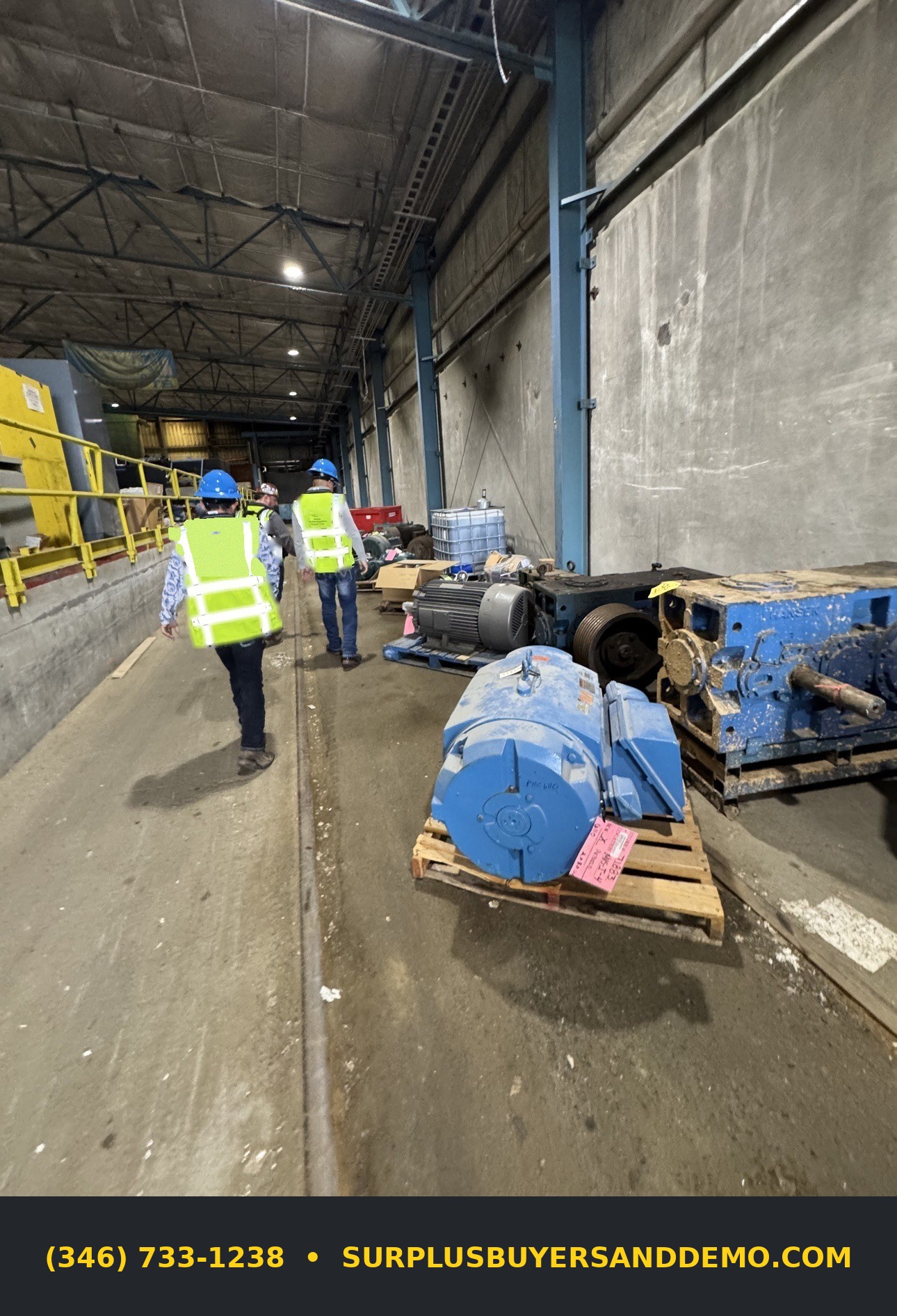
What an Auction Actually Sells
An auction sells to the room — the bidders who register for that sale, in that region, in that week. For equipment with a broad local market, the room is deep and the bidding is honest competition. For specialized industrial equipment, the room can be very thin. The plant two states away that runs your exact switchgear line and would pay strongly for it is probably not registered for your auction. The local buyers who are registered know that, and they bid like it. Add the mechanics on top: commissions come off the gross, removal deadlines are the buyer's friend and the seller's enemy, and every lot sells on the auctioneer's schedule whether the right bidder found it or not. None of this makes an auction a scam. It makes it a tool with a specific shape — and your equipment may or may not fit that shape.
Where the Money Gets Left Behind
- Specialized electrical gear. Switchgear lineups, MCCs, large transformers, and legacy breakers have narrow, motivated buyer pools that mostly do not attend general plant auctions. This is the category with the widest gap between auction results and equipment value.
- Identified vs. unidentified lots. Auction catalogs describe lots briefly. Equipment whose value lives in its nameplate details gets priced by bidders on a guess — and guesses bid low.
- The long tail. Every plant has hundreds of mid-value items. At auction they sell for whatever the room feels like that hour, and many sell as combined lots that price the good with the worthless.
- Timing. An auction fixes your selling date to the auctioneer's calendar, not to your market's appetite. A direct sale can be sequenced around your shutdown instead.
What Your Equipment Is Worth: The Three Prices
Every piece of closing-plant equipment has three prices, and a smart seller learns all three before choosing. The scrap price is the floor — weight times the metal market, available any day. The auction price is the middle guess — real, but hostage to the room. The equipment price is what the gear is worth to the facility or buyer who will use it — and for identified, complete, working equipment, it is normally the highest of the three by a wide margin. Auctioneers quote the second price. Scrap yards quote the first. Nobody quotes you the third unless you ask a buyer who sells into the using market. Ask. The answer costs a few photographs, and it re-frames every other decision in the closure.
The Sequence That Captures Both
The sellers who do best rarely choose one channel for everything. They sequence: the identified, high-value equipment — electrical gear, large motors, generators, the specialized machines — is priced and sold directly first, while it is intact and in place. The auction then handles what it handles best: the broad remainder, the commodity items, the long tail, on a date that clears the building. Scrap takes what is genuinely finished. Each channel does the job it is good at, and the seller stops asking any single one of them to price things it cannot see. If an auctioneer tells you the whole plant must go in one sale or not at all, that is a preference of his business model, not a law of yours — get the equipment priced before you agree to it.
Read the Auction Terms Like a Seller, Not a Guest
Before any auction conversation gets serious, read the terms the way they will actually apply to your money. The commission structure is only the first line. There is the buyer's premium — the fee added on top of the winning bid that comes out of the room's appetite rather than the auctioneer's pocket, and which quietly lowers what bidders can pay you. There are removal terms: short load-out windows push winning bidders to discount for risk and rush, and anything not removed on schedule can be treated as abandoned. There is the question of reserves — whether you can set minimums on the lots that matter, or whether everything sells to the highest bid no matter how thin the room is that day. And there is the catalog itself: who writes the lot descriptions, from what information, and whether your nameplate details — the facts your equipment's value lives in — will reach bidders at all. None of these terms are secrets, and a reputable auctioneer will walk through all of them. The sellers who get hurt are the ones who never asked. Ask, in writing, before the contract — because after it, the terms are no longer a conversation.
Before You Sign Anything
Step 1 — Photograph the nameplates of the electrical gear, transformers, motors, generators, and major machines. This is the information every real price is built from.
Step 2 — Get a written equipment offer for the plant's equipment package, in place, before the auction contract. Compare it honestly against the auctioneer's estimate — net of commissions, not gross.
Step 3 — Decide the sequence: direct sale first for what earns it, auction for the remainder if it still makes sense, scrap for the finished.
Step 4 — Removal is arranged on your closure schedule, and you are paid on pickup with a documented bill of sale.
Surplus Buyers & Demo is based in Houston and buys plant-closure equipment nationwide — before auctions, alongside auctions for the remainder, and on demolition projects where the equipment offsets the demo bill. Send the nameplate photos and we will tell you what your equipment is worth as equipment. Then call the auctioneer with that number in your pocket.
Frequently Asked Questions
Are you saying I should never use an auction?
No. Auctions are the right tool for commodity equipment, hard deadlines, and the remainder after high-value gear is sold. We are saying price the equipment directly first, so the auction only handles what it prices well.
Will an auctioneer let me sell some equipment before the sale?
That depends on the contract — which is exactly why the equipment should be priced and this conversation held before you sign. Once a contract covers everything, your options narrow.
How do I compare a direct offer against an auction estimate?
Compare net to net: the direct offer is a firm number with payment on pickup; the auction estimate is a projection, minus commissions, minus your costs of preparing and holding the sale, paid after the event.
What equipment should be priced directly first?
The identified, specialized gear: switchgear, MCCs, transformers, large motors, generators, and any equipment whose value depends on a nameplate. That is where the auction gap is widest.
My closure has a hard deadline. Is there time for this?
Pricing from photos is fast, and pickup is scheduled around your deadline. The direct step costs days of conversation, not weeks — and it is the sellers with no deadline pressure who can also afford to skip it least.
How am I paid?
Payment on pickup, with a documented bill of sale. Larger projects can be set on agreed written terms before removal starts.
Send photos of the nameplate and the gear — call or text (346) 733-1238 for a written offer.
Office: (346) 526-1405 · Toll-free: 1 (877) 722-6048
Tell Us What You Have →